Is this something you do religiously or is it something you skip on a regular basis?
Sometimes stretching can seem like a little waste of your exercise time. We are all generally on tight deadlines so stretching can often feel like it’s eating into ‘our time’.
Whether you’re a seasoned athlete or just starting your health journey, incorporating stretching into your routine can make a significant difference in your overall well-being. In this blog post, we’ll explore the various types of stretching, debunk some common myths, and delve into the incredible benefits of this often overlooked aspect of fitness.
Why Should We Stretch?
Before we dive into the hows and whys, let’s establish the importance of stretching first:
Stretching improves your range of motion, making daily activities and workouts easier. Flexible muscles are less prone to injuries, with regular stretching helping to maintain joint health and reduces the risk of injury overall. It also improves posture and reduces muscle imbalances as it encourages proper alignment of muscles and joints. Having a good old stretch tends to release tension in the muscles, aiding in stress reduction and relaxation.
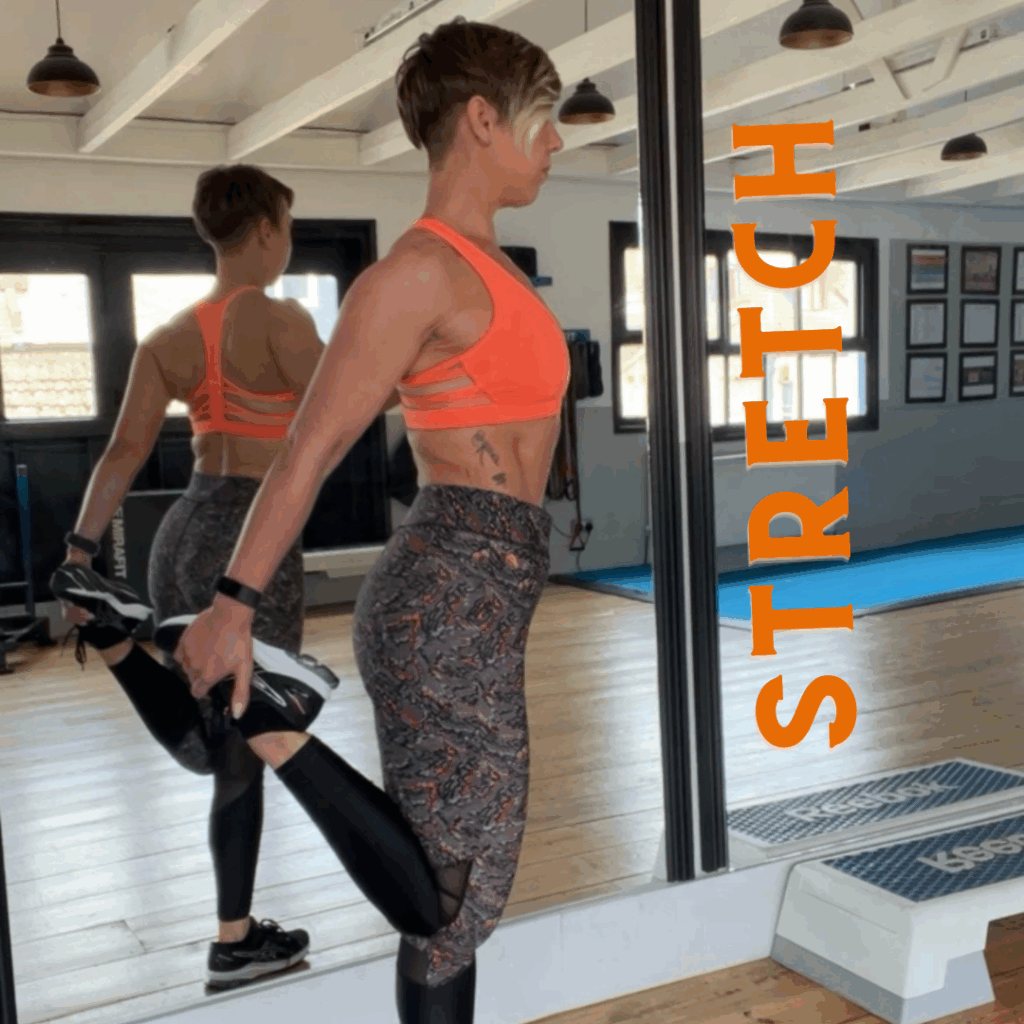
There are a number of different types of Stretching:
Static Stretching: which involves holding a stretch for an extended period, usually 15-60 seconds. This is great for improving overall flexibility.
Dynamic Stretching: which incorporates controlled movements to increase blood flow and warm up muscles before a workout. Think leg swings, arm circles, and lunges.
PNF (Proprioceptive Neuromuscular Facilitation): which combines stretching with muscle contraction and relaxation. This method is often done with a partner and is highly effective for increasing flexibility. However, this should not be practised without knowledge and a full understanding of how it is done properly, as over-stretching and injury is likely to occur.
Ballistic Stretching: which uses bouncing movements to push muscles beyond their normal range of motion. However, caution is advised, as it can lead to injury if not done properly.
Stretching has a range of benefits including the improvement of blood flow to muscles, delivering nutrients and oxygen, and aiding in quicker recovery. It helps reduce muscle soreness after training as it helps alleviate muscle tightness. It can also enhance athletic performance as flexible muscles and joints contribute to improved agility, balance, and overall athletic performance.
Common Myths About Stretching:
Myth: Stretching Should Always Be Done Before Exercise: While dynamic stretching is beneficial pre-workout, static stretching is best performed post-exercise to prevent injury.
Myth: Stretching Causes Muscle Growth: Stretching can improve muscle flexibility and function but doesn’t directly contribute to muscle growth.
What stretches should I do, when and why?
Pre-Workout Stretching: Engage in dynamic stretches to warm up your muscles and prepare your body for exercise. This helps prevent injuries and enhances performance.
Post-Workout Stretching: Perform static stretches to cool down, reduce muscle tension, and improve flexibility. This aids in recovery and promotes muscle relaxation.
What Happens to the Muscles during stretching:
Muscle Lengthening: Stretching elongates muscle fibres, promoting greater flexibility and range of motion.
Increased Blood Flow: Stretching enhances blood circulation, supplying muscles with nutrients and oxygen for optimal function.
Relaxation Response: Stretching triggers the release of endorphins, promoting a sense of relaxation and well-being.
Conclusion:
Incorporating a well-rounded stretching routine into your fitness regimen can be a game-changer. From preventing injuries to enhancing flexibility and promoting overall well-being, stretching is a crucial component of a healthy lifestyle. So, whether you’re reaching for your toes in a yoga class or incorporating dynamic stretches into your gym routine, flexibility is the key to a healthier, happier you!
By making stretching a regular part of your fitness routine, you’re not just investing in flexibility; you’re investing in your overall well-being. So, take a few moments each day to stretch, breathe and embrace the positive changes that come with a more limber and agile body.
Here’s to a more flexible, injury-resistant, and happier you!
Keep stretching and thriving!