Just as exercise affects your mental well-being, so too does the food you eat. Here’s how your diet can impact your mood:
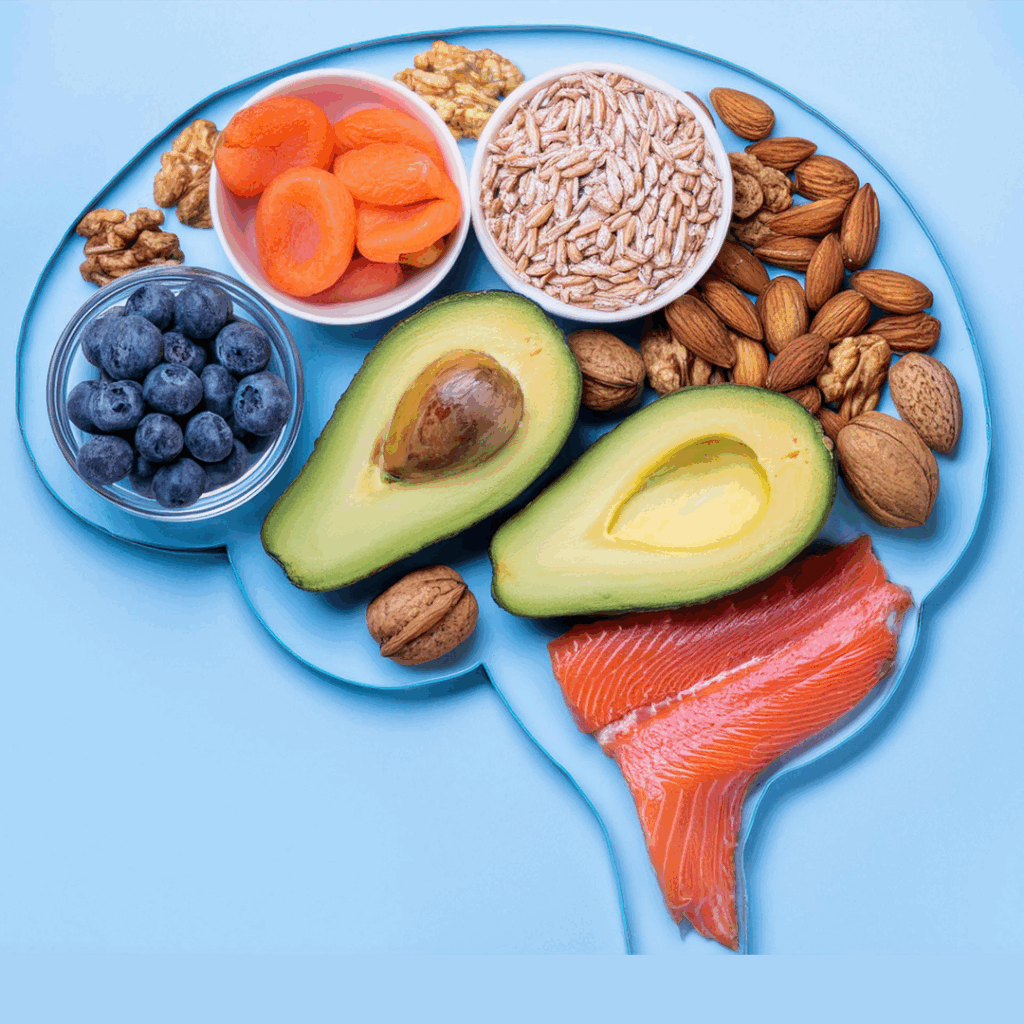
Balanced Diet, Balanced Mood: Eating a well-balanced diet rich in fruits, vegetables, whole grains, lean proteins, and healthy fats provides your body with the nutrients it needs to function optimally, including your brain. Aim for a diverse array of colourful foods to ensure you’re getting a variety of vitamins, minerals, and antioxidants.
Omega-3 Fatty Acids: Found in fatty fish like salmon, walnuts, flaxseeds, and chia seeds, omega-3 fatty acids are crucial for brain health. They have been linked to reduced inflammation in the brain and improved mood regulation, making them a valuable addition to your diet.
Probiotics: Your gut health is closely connected to your mental health. Consuming probiotic-rich foods like yoghurt, kefir, sauerkraut, and kimchi can help maintain a healthy balance of gut bacteria, which has been associated with improved mood and reduced symptoms of anxiety and depression.
Limit Sugar and Processed Foods: While sugary snacks and processed foods may provide a temporary mood boost, they can ultimately lead to energy crashes and mood swings. Opt for whole, nutrient-dense foods instead to stabilise your blood sugar levels and support sustained energy throughout the day.
Conclusion
A balanced diet into your lifestyle isn’t just beneficial for your physical health. It’s also essential for nurturing your mental well-being. By nourishing your body with wholesome foods, you can cultivate a happier, more resilient mind that’s better equipped to handle life’s challenges. So fill your plate with colourful goodness, and embark on a journey to elevate your mood from the inside out!
Breaking a bad habit requires disrupting the habit loop. Read my blog ‘Identifying habits’ to understand habit loops and how they are created.
Here’s a step-by-step strategy on how to disrupt a habit loop:
1. Identify the Cue
First, figure out what’s triggering your bad habit. Is it boredom? Stress? Certain people or places? By identifying the cue, you can start becoming more aware of what sets the habit in motion.
2. Change Your Routine
Once you’ve identified the trigger, the next step is to replace the bad routine with a positive one. Let’s say stress is your trigger for snacking on unhealthy foods. Instead of reaching for the chips, try going for a 5-minute walk, doing a few stretches, or sipping on water. Over time, this new routine will become your go-to response to the cue.
3. Focus on the Reward
Every habit is driven by the reward, so it’s important that your new habit provides a similar sense of satisfaction. For example, if snacking gives you comfort, find a healthier alternative that offers a similar emotional reward, like listening to calming music or enjoying a cup of tea.
How to Form New, Positive Habits
Breaking bad habits is only part of the puzzle. The next step is creating new, positive habits that align with your fitness goals. Here’s how to do it:
1. Start Small
Building a new habit is a gradual process, so start small. If your goal is to work out consistently, begin with just 10 minutes a day. Once that feels manageable, slowly increase the duration. It’s much easier to build on small successes than to try to overhaul your entire routine at once.
2. Attach Your New Habit to an Existing One
This technique, called “habit stacking,” can help reinforce your new behaviour. Let’s say you already have a strong habit of brushing your teeth every morning. You could stack your new habit of stretching by doing it right after you brush your teeth. Since you already have the cue (brushing your teeth), it will be easier to remember to stretch afterward.
3. Be Consistent
Like exercise and lots of things in life, consistency is key when forming new habits. Aim to perform the new habit at the same time every day, and try not to skip it, especially in the beginning. The more consistent you are, the more automatic the habit will become over time.
4. Celebrate Progress
Reward yourself for sticking to your new habits. Even small celebrations, like telling yourself “well done,” can help reinforce the habit loop in a positive way. Recognising your progress, no matter how small, will keep you motivated and focused on your long-term goals.
Build Habits for Lasting Change
Changing your habits might seem challenging, but it’s a powerful way to transform your fitness journey. By understanding how habits work and using strategies to break bad habits and form new ones, you can set yourself up for lasting success. Start small, be patient with yourself, and remember that every healthy choice you make is a step closer to achieving your goals.
If you need help developing a plan or sticking to new habits, I’m here to support you every step of the way.
Let’s work together to turn your goals into lasting, positive changes.
As a personal trainer, one of the most frequent topics I hear from clients is frustration over bad habits. Whether it’s late-night snacking, skipping workouts, or not drinking enough water, these small actions can add up and sabotage your progress toward your fitness goals.
The good news? You can break bad habits and replace them with positive ones that align with your goals. But before we jump into how to do that, let’s understand why habits are so powerful and how they’re formed.
What Are Habits and How Are They Formed?
A habit is any behaviour that you do automatically, often without even thinking about it. When we repeat a behaviour over time, our brain creates a shortcut to make it easier to do that behaviour again. This is why, for example, you might reach for a snack every time you watch TV or check your phone the moment you wake up.
Habits are formed through a loop called the habit loop, which includes three stages:
Cue: A trigger that initiates the habit, often an emotion (e.g. feeling stressed or upset).
Routine: The behaviour you perform in response to the cue (e.g. grabbing a snack or skipping the gym).
Reward: The benefit you get from the behaviour (e.g. temporary relief from stress)
The more you repeat this loop, the more ingrained the habit becomes in your brain.
Why Are Bad Habits So Hard to Break?
Bad habits often stick because they provide an immediate sense of comfort or reward, even if they don’t serve your long-term goals. Skipping a workout might offer immediate relief from discomfort, and indulging in unhealthy snacks gives a quick dopamine hit, making them hard to resist.
But with the right approach, you can break these patterns and replace them with healthier habits that will get you closer to your fitness goals.
Everyone has bad habits so don’t go beating yourself up if you can’t break it straight away, these things take time. Check out my blog ‘Forming new habits’ to start breaking bad habits and creating new ones that move you closer to your goals.
One topic that often gets overlooked in the world of health and fitness is sleep. We all know the importance of a good workout and a balanced diet, but did you know that quality sleep is just as crucial for your overall well-being? In this blog post, we explore the stages of sleep, what happens while you snooze, and tips to ensure you get the optimum rest your body deserves.
The Stages of Sleep:
Our sleep cycle is divided into four stages: NREM1, NREM2, NREM3, and REM (Rapid Eye Movement). Each stage serves a unique purpose, contributing to the restoration and maintenance of our physical and mental health.
NREM1: Light Sleep – The transition from awake to sleep takes place in this stage, lasting only a few minutes. You may experience sudden muscle contractions, also known as hypnic jerks.
NREM2: True Sleep Begins – This stage lasts around 20 minutes, during which your heart rate and body temperature decrease. Your body prepares for the deeper stages of sleep.
NREM3: Deep Sleep – Essential for physical restoration, this is the stage where your body repairs tissues, builds bone and muscle, and strengthens the immune system. Growth hormone is released, promoting cellular repair and growth.
REM: Dreaming – REM sleep is crucial for cognitive functions and memory consolidation. Your eyes move rapidly, and dreaming occurs. It’s the stage where your brain processes and organises information.
What Happens While You Sleep:
Sleep is not just a time of rest; it’s a dynamic process that contributes to physical and mental well-being. While you’re catching those ZZZs, your body is busy repairing tissues, regulating hormones, and consolidating memories. Adequate sleep is linked to improved mood, better decision-making, and a stronger immune system.
The wake-sleep cycle is governed by melatonin, a hormone produced by the pineal gland. In the evening, as darkness falls, melatonin levels rise, signalling the body to wind down and prepare for sleep. This natural process helps regulate the circadian rhythm, ensuring a smooth transition from awake to rest, and plays a crucial role in maintaining a healthy sleep-wake cycle.
Optimum Sleep:
The magic number for most adults is 7-9 hours of sleep per night. Quality matters as much as quantity, so focus on creating a sleep environment that promotes relaxation and comfort. Invest in a comfortable mattress and pillows, keep your bedroom cool and dark, and limit noise and electronic devices before bedtime.
What to Do Before Bed:
Establishing a pre-sleep routine signals to your body that it’s time to wind down. Here are some tips to help you relax before hitting the hay:
Create a calming bedtime routine: Develop habits like reading, gentle stretching, or practising relaxation techniques.
Limit screen time: The blue light emitted by phones and electronic devices can interfere with melatonin production, making it harder to fall asleep. Aim to power down at least an hour before bedtime.
Watch your caffeine intake: Avoid consuming stimulants like coffee or tea in the evening, as they can disrupt your sleep.
Maintain a consistent sleep schedule: Try to go to bed and wake up at the same time every day, even on weekends. This helps regulate your body’s internal clock.
Conclusion
Don’t underestimate the power of a good night’s sleep! Prioritise your well-being by understanding the stages of sleep, recognising the importance of each stage, and incorporating healthy sleep habits into your routine. With the right amount and quality of sleep, you’ll wake up feeling refreshed, energised, and ready to tackle whatever life throws your way.
Here we are diving into a topic that’s close to our hearts: the profound impact of exercise on mental health. We often hear about the physical benefits of staying active and eating well, but did you know that these habits can also work wonders for your mental well-being?
Let’s explore why and how exercise boosts your mood, and influences your mental state;
Exercise: Your Key to a Happier Mind
Exercise isn’t just about getting fit or losing weight; it’s a powerful tool for improving your mental health. Here’s how it works:
Endorphin Release: When you exercise, your body releases chemicals called endorphins. These neurotransmitters act as natural painkillers and mood elevators, leading to feelings of euphoria and happiness. That post-workout high. Thank your endorphins!
Stress Reduction: Regular exercise helps to lower levels of stress hormones like cortisol and adrenaline. It promotes relaxation, reduces tension, and can even improve your sleep quality, all of which contribute to better mental resilience against stress.
Brain Boost: Physical activity stimulates the production of growth factors that promote the growth of new brain cells and improve brain function. This can enhance your cognitive abilities, sharpen your focus, and boost your overall mental clarity.
Mood Regulation: Exercise has been shown to increase levels of neurotransmitters like serotonin and dopamine, which play key roles in regulating mood. By enhancing the availability of these feel-good chemicals, exercise can help alleviate symptoms of depression and anxiety.
Conclusion
Incorporating regular exercise into your lifestyle isn’t just beneficial for your physical health. It’s also essential for nurturing your mental well-being. By prioritising movement you can cultivate a happier, more resilient mind that’s better equipped to handle life’s challenges. So lace up those trainers and embark on a journey to elevate your mood from the inside out!
Is this something you do religiously or is it something you skip on a regular basis?
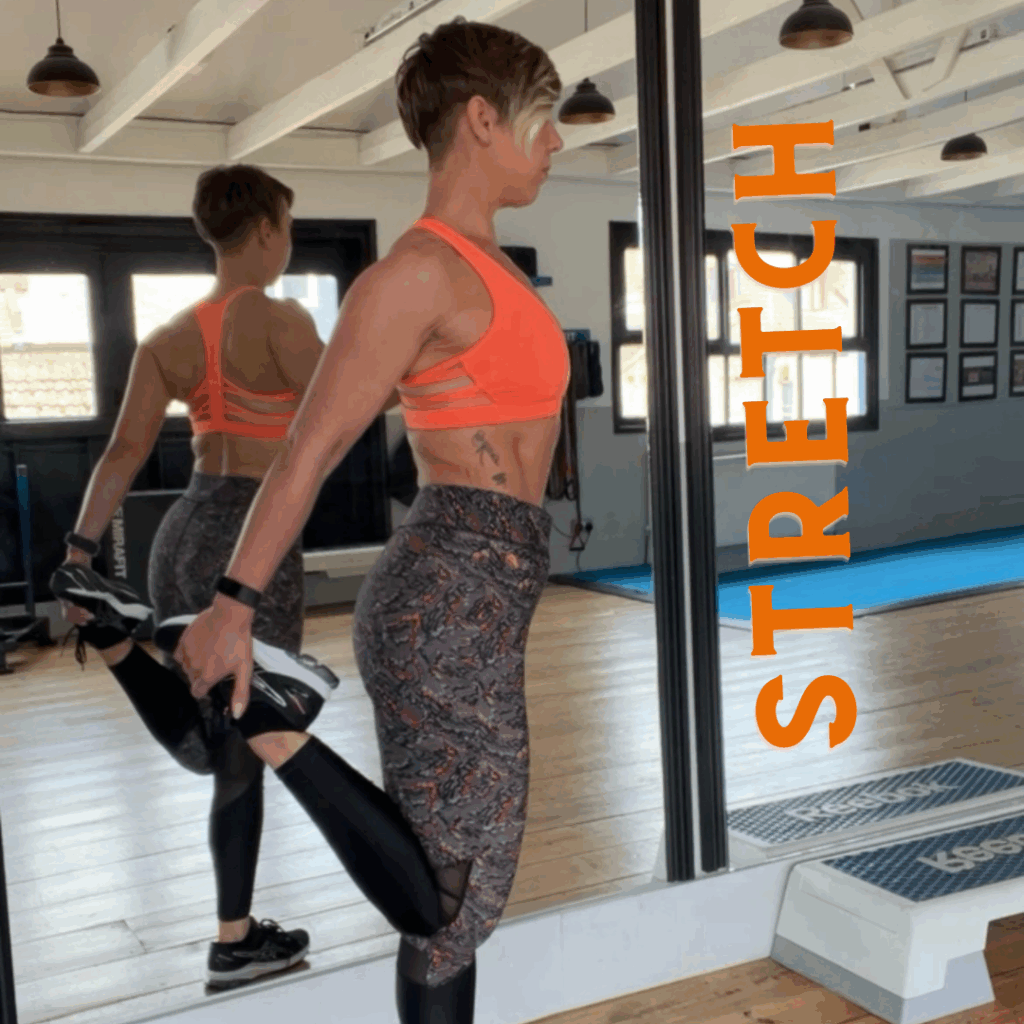
Sometimes stretching can seem like a little waste of your exercise time. We are all generally on tight deadlines so stretching can often feel like it’s eating into ‘our time’.
Whether you’re a seasoned athlete or just starting your health journey, incorporating stretching into your routine can make a significant difference in your overall well-being. In this blog post, we’ll explore the various types of stretching, debunk some common myths, and delve into the incredible benefits of this often overlooked aspect of fitness.
Why Should We Stretch?
Before we dive into the hows and whys, let’s establish the importance of stretching first:
Stretching improves your range of motion, making daily activities and workouts easier. Flexible muscles are less prone to injuries, with regular stretching helping to maintain joint health and reduces the risk of injury overall. It also improves posture and reduces muscle imbalances as it encourages proper alignment of muscles and joints. Having a good old stretch tends to release tension in the muscles, aiding in stress reduction and relaxation.
There are a number of different types of Stretching:
Static Stretching: which involves holding a stretch for an extended period, usually 15-60 seconds. This is great for improving overall flexibility.
Dynamic Stretching: which incorporates controlled movements to increase blood flow and warm up muscles before a workout. Think leg swings, arm circles, and lunges.
PNF (Proprioceptive Neuromuscular Facilitation): which combines stretching with muscle contraction and relaxation. This method is often done with a partner and is highly effective for increasing flexibility. However, this should not be practised without knowledge and a full understanding of how it is done properly, as over-stretching and injury is likely to occur.
Ballistic Stretching: which uses bouncing movements to push muscles beyond their normal range of motion. However, caution is advised, as it can lead to injury if not done properly.
Stretching has a range of benefits including the improvement of blood flow to muscles, delivering nutrients and oxygen, and aiding in quicker recovery. It helps reduce muscle soreness after training as it helps alleviate muscle tightness. It can also enhance athletic performance as flexible muscles and joints contribute to improved agility, balance, and overall athletic performance.
Common Myths About Stretching:
Myth: Stretching Should Always Be Done Before Exercise: While dynamic stretching is beneficial pre-workout, static stretching is best performed post-exercise to prevent injury.
Myth: Stretching Causes Muscle Growth: Stretching can improve muscle flexibility and function but doesn’t directly contribute to muscle growth.
What stretches should I do, when and why?
Pre-Workout Stretching: Engage in dynamic stretches to warm up your muscles and prepare your body for exercise. This helps prevent injuries and enhances performance.
Post-Workout Stretching: Perform static stretches to cool down, reduce muscle tension, and improve flexibility. This aids in recovery and promotes muscle relaxation.
What Happens to the Muscles during stretching:
Muscle Lengthening: Stretching elongates muscle fibres, promoting greater flexibility and range of motion.
Increased Blood Flow: Stretching enhances blood circulation, supplying muscles with nutrients and oxygen for optimal function.
Relaxation Response: Stretching triggers the release of endorphins, promoting a sense of relaxation and well-being.
Conclusion:
Incorporating a well-rounded stretching routine into your fitness regimen can be a game-changer. From preventing injuries to enhancing flexibility and promoting overall well-being, stretching is a crucial component of a healthy lifestyle. So, whether you’re reaching for your toes in a yoga class or incorporating dynamic stretches into your gym routine, flexibility is the key to a healthier, happier you!
By making stretching a regular part of your fitness routine, you’re not just investing in flexibility; you’re investing in your overall well-being. So, take a few moments each day to stretch, breathe and embrace the positive changes that come with a more limber and agile body.
Here’s to a more flexible, injury-resistant, and happier you!
In the dynamic world of workouts, we often find ourselves caught between the drive for consistency and the need for recovery. In this blog, let’s dive into the vital topic of rest days, exploring why they’re crucial, how to structure them, and why they shouldn’t become an easy excuse to skip the training. It’s all about finding that sweet spot and truly listening to what your body needs.
Muscle Recovery: Rest days are not a shortcut or an excuse; they’re an essential part of the fitness puzzle. Your muscles need time to recover, repair, and grow stronger. Skipping rest days may lead to burnout, making it harder for your body to adapt and progress, which in turn may also lead to injury. Embrace these days as a deliberate step towards overall health and performance.
Preventing Burnout:
While we encourage consistency, it’s crucial to recognise the signs of burnout. Overtraining can have adverse effects on your physical and mental well-being. Rest days act as a strategic pause, allowing you to recharge and return to your workouts with renewed energy. It’s not an excuse to avoid exercise but a tool to ensure sustainable progress.
Boosting Performance:
Rest days are not a break from progress; they are a catalyst for it. Your body needs time to replenish energy stores, repair tissues, and optimise performance. Structure your rest days strategically to align with your training goals. This thoughtful approach ensures that your workouts remain effective and contribute to your long-term success.
Injury Prevention:
View rest days as a proactive measure, not an escape route. Regular breaks help prevent injuries by allowing your body to recover and reducing the risk of overuse injuries. Pay attention to your body’s signals, those slight aches, niggles or persistent fatigue. Use rest days as a tool to address these issues before they become more significant problems.
Improved Sleep and Stress Management:
Rest days are not a cop-out; they are an investment in your well-being. Quality sleep and stress management are essential components of a healthy lifestyle. Embrace rest days as an opportunity to improve both. By striking a balance between activity and recovery, you create a sustainable routine that supports your fitness goals while prioritising overall health.
Conclusion:
In the realm of fitness, rest days are not an excuse to slack off; they’re a strategic component of a well-rounded routine. Structure your workout plan to include these essential breaks, and listen to your body along the way. Remember, it’s not about finding an easy way out; it’s about finding the right way forward – one that respects your body’s need for both challenge and recovery. If you’re feeling exhausted, getting niggles and aches that don’t seem to go away, then take a break. Rest up and your next workout will be much better for it!
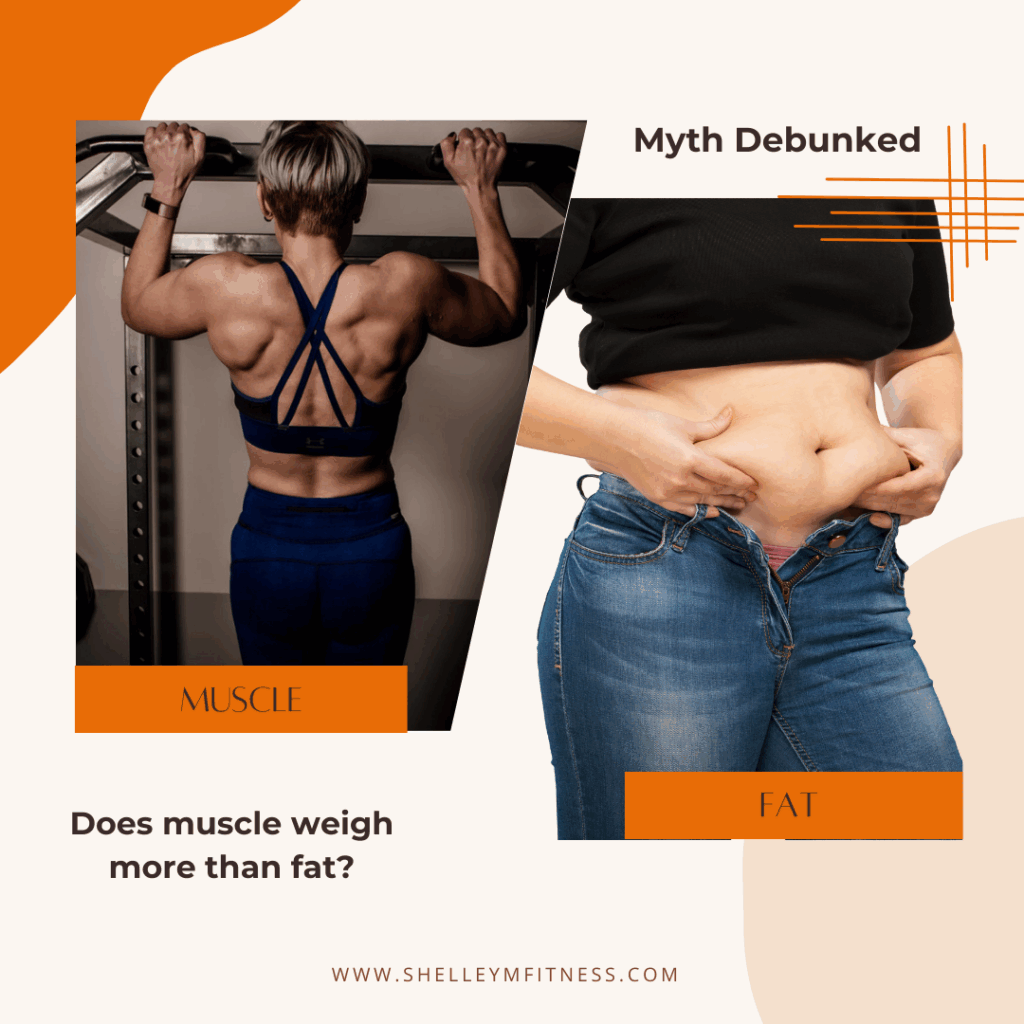
Debunking the Myth: Muscle Doesn’t Weigh More Than Fat!
If you’ve ever embarked on a fitness journey or started a new workout routine, you’ve probably heard the common saying, “Muscle weighs more than fat.” It’s a phrase often thrown around, but is it really accurate? Let’s dive into this popular fitness myth and uncover the truth.
The Myth:
The belief that muscle weighs more than fat is a misconception that has misled many individuals on their fitness journeys. The idea stems from the fact that, volume for volume, muscle is denser than fat. In other words, if you compare the same volume of muscle and fat, the muscle will weigh more because it’s more compact.
The Debunking:
Density Matters:
Yes, it’s true that muscle is denser than fat, but this doesn’t mean that a pound of muscle weighs more than a pound of fat. A pound is a pound, regardless of whether it’s muscle, fat, feathers, or bricks. The misconception arises from the fact that muscle takes up less space than fat, making it appear more concentrated.
Volume vs. Weight:
The key to understanding this myth is recognising the difference between volume and weight. If you were to take a cubic inch of muscle and a cubic inch of fat, the muscle would indeed weigh more. However, when we talk about weight in terms of pounds or kilograms, muscle and fat are equal.
Body Composition Matters:
The real focus should be on body composition. Muscle and fat play distinct roles in our bodies. Muscle is metabolically active tissue, which means it burns more calories at rest than fat. Improving your body composition by increasing muscle mass and reducing fat can have numerous health benefits, including a faster metabolism, improved strength, and enhanced overall well-being.
Transformation Over the Scale:
Instead of solely relying on the scale, consider tracking your fitness progress through various methods. Measurements, progress photos, and how your clothes fit can provide a more accurate picture of your body changes. Remember, a decrease in fat and an increase in muscle can lead to significant positive changes, even if the number on the scale remains the same.
Conclusion:
In the world of health and fitness, myths can often cloud our judgement. The idea that muscle weighs more than fat is one such misconception. Remember, a pound of muscle and a pound of fat both weigh the same – a pound. Focus on building a healthy body composition through a balanced diet, regular exercise, and lifestyle choices. Don’t be discouraged by the scale; instead, celebrate the positive changes happening within your body. It’s not about the weight, but about feeling strong, healthy, and confident, improving your mental health and happiness.
The holiday season is a time of joy, celebration, and indulgence. However, it’s not uncommon to find yourself feeling a bit sluggish and weighed down as January rolls around. Whether you’ve overindulged in festive feasts or fallen off the fitness wagon, it’s time to embrace a fresh start and recommit to your health and fitness goals. In this blog post, we’ll explore practical tips and advice to help you get back on track with your wellness journey, especially if you’re using a personal training app to guide your efforts.
Reflect on the Past: Begin by reflecting on the holiday season and acknowledging any deviations from your usual routine. Instead of dwelling on guilt or frustration, use this reflection as a learning opportunity. Identify the specific challenges you faced and strategise ways to overcome them moving forward.
Set Realistic Goals: Avoid setting huge and unrealistic goals that might set you up for disappointment. Instead, establish achievable, short-term objectives that align with your overarching fitness aspirations. Whether it’s increasing the number of workouts per week or making healthier food choices, start small and gradually progress.
Reignite Your Workout Routine: Ease back into your workout routine with a combination of cardiovascular exercises, strength training, and flexibility work. Personal training apps can be invaluable during this process, providing structured workout plans tailored to your fitness level and goals. Begin with shorter sessions, gradually increasing the intensity and duration as your stamina improves.
Embrace Variety: Combat monotony by introducing variety into your workouts. Explore different forms of exercise, such as yoga, HIIT, or outdoor activities, to keep things interesting. Many personal training apps offer diverse workout options, ensuring that you stay engaged and motivated throughout your fitness journey.
Stay Accountable: Hold yourself accountable by tracking your progress and celebrating small victories allowing you to monitor your achievements and stay motivated. Additionally, consider partnering with a workout buddy or joining fitness communities to share experiences and receive support.
Prioritise Recovery: After the festive season, your body may need some extra care and attention. Prioritise recovery by incorporating rest days into your routine and practicing activities like foam rolling and stretching. Adequate sleep and hydration are also essential components of the recovery process, helping you bounce back faster and avoid burnout.
Nutrition Overhaul: Re-evaluate your nutritional choices and make adjustments to support your fitness goals. Focus on a well-balanced diet rich in whole foods, lean proteins, fruits, and vegetables. Consider meal prepping to make healthier choices more accessible during busy days.
As you embark on your health and fitness journey in the new year, remember that progress is a gradual process. By implementing these tips and leveraging the support of a personal training app, you can overcome the post-holiday slump and build sustainable habits for a healthier, happier you. Embrace the opportunity to redefine your wellness goals and make this year the year you prioritise your health and fitness journey.
As your personal trainer, I’m here to support you not only in achieving your fitness goals but also in understanding how to give your body the best chance to thrive. One key aspect of overall health is your immune system. It’s your body’s defence against illness, infections, and other harmful invaders. Whether you’re working on building muscle, increasing endurance, or just feeling your best, your immune system plays a crucial role.
In this blog, we’ll go over why your immune system matters, how to boost it naturally, and how to make sure you’re staying strong both inside and out.
Why Your Immune System is Important
Your immune system is like a protective shield that keeps your body safe from bacteria, viruses, and other harmful agents. When it’s working well, it helps prevent you from getting sick or, at the very least, makes recovery quicker. A strong immune system also supports faster recovery from workouts, reduces inflammation, and keeps your energy levels up. So, just like you train your muscles, you can also “train” your immune system by giving it what it needs.
Ways to Boost Your Immune System
1. Stay Active. Exercise is a powerful tool for boosting immunity. Regular physical activity improves circulation, reduces inflammation, and enhances your body’s natural defence mechanisms. However, it’s important not to overtrain. 30-60 minutes of moderate exercise is best for keeping your immune system balanced.
Tip: Pay attention to your recovery days! Overtraining can weaken the immune system, leaving you more vulnerable to illness.
2. Focus on Nutrition. What you eat directly impacts your immune health. Certain foods can give your immune system a natural boost. Focus on eating a variety of fruits, vegetables, lean proteins, and healthy fats. Here are some specific immune-boosting nutrients to include:
Vitamin C: Found in citrus fruits, bell peppers, and broccoli, this vitamin supports immune function and helps fight infections.
Zinc: A mineral that helps white blood cells fight off invaders. Get it from nuts, seeds, and lean meats.
Antioxidants: Blueberries, spinach, and nuts are packed with antioxidants, which help protect your cells from damage.
Tip: Stay hydrated! Water helps flush out toxins and keeps your body’s systems running smoothly.
3. Prioritise Sleep. A well-rested body is better equipped to fight off illness. Lack of sleep can lead to increased stress hormones and a weakened immune system. Read my ‘The power of sleep’ blog to find out how much sleep you need and much more.
4. Manage Stress. Chronic stress can take a toll on your immune system, making you more susceptible to colds, flu, and other infections. Mindfulness practices like meditation, yoga, or even simple breathing exercises can help reduce stress and keep your immune system functioning properly.
Tip: Take 10 minutes a day to slow down and breathe deeply, it can make a world of difference.
5. Supplement Smartly. While whole foods should always come first, sometimes it’s difficult to get everything you need from your diet. Supplements like vitamin D, probiotics, and omega-3 fatty acids can support immune health, especially during colder months when we tend to be indoors more.
Tip: Always consult with your healthcare provider or a nutritionist before adding new supplements to your routine.
Final Thoughts
Taking care of your immune system is just as important as your workouts. By maintaining a balanced exercise routine, eating a nutritious diet, getting enough rest, and managing stress, you’re setting yourself up for a stronger, healthier body that’s ready to take on any challenge. Just remember, it’s all about balance—support your immune system, and it’ll support you!
Stay healthy, stay strong, and let’s keep working towards your fitness goals!